
A new national survey from SafeHome.org landed this week with an uncomfortable number: only 5 percent of American homes have a complete emergency kit. One in five homes has none of the recommended supplies at all. The twist? Light is the one thing most of us actually own — 58% of households already have flashlights — yet it's the rest of the kit, and the power to keep lights running, that people are missing. Only 19% of homes have a backup power source. Storm season is still on through November 30, and the days are getting shorter. Here's the honest breakdown of what the survey found, and how to close the light-and-power gap in your kit.
- SafeHome.org survey (1,200 U.S. adults, reported Oct 14, 2026): only 5% of homes have a complete emergency kit; 20% have none of the recommended supplies.
- 58% of homes have flashlights, but just 37% have enough water, 30% have emergency cash, and only 19% have a backup power source — dead batteries and no way to recharge are the weak link.
- Cost is the #1 barrier (52% cite it), so the fix should be small and practical: one dependable USB-C rechargeable light beats a drawer of cheap battery eaters.
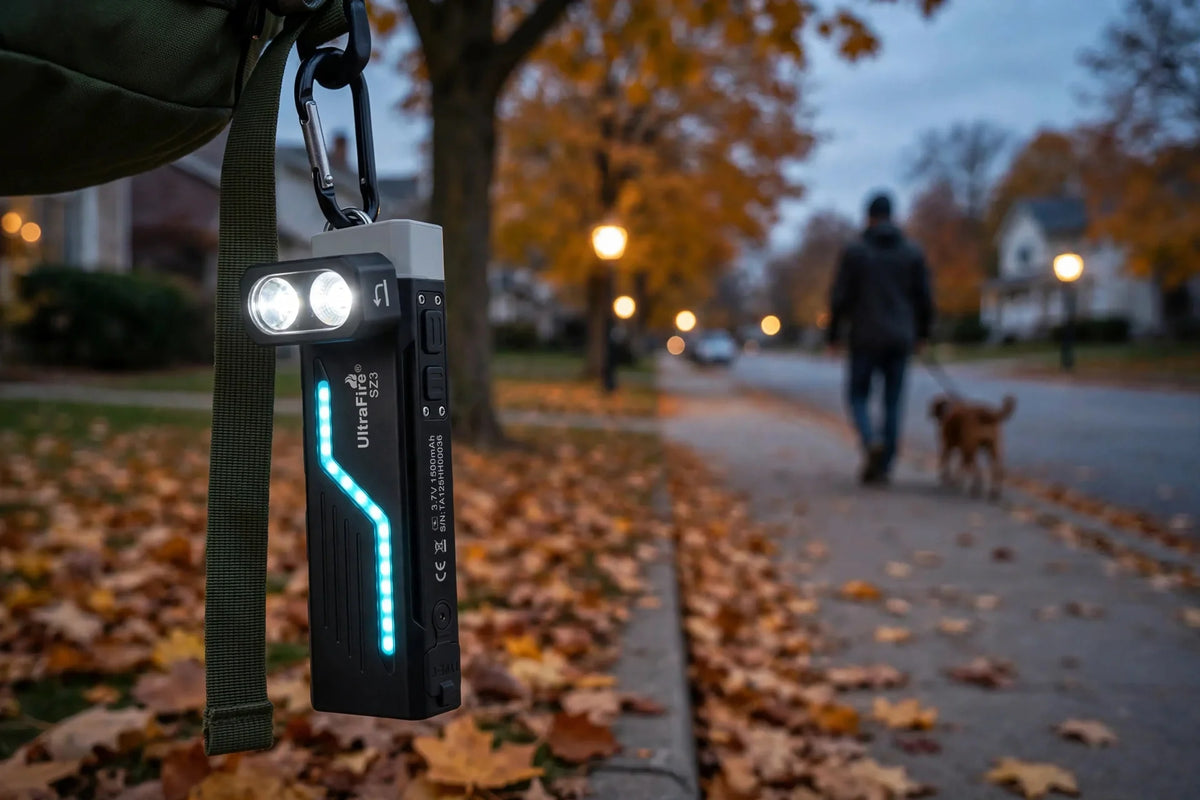
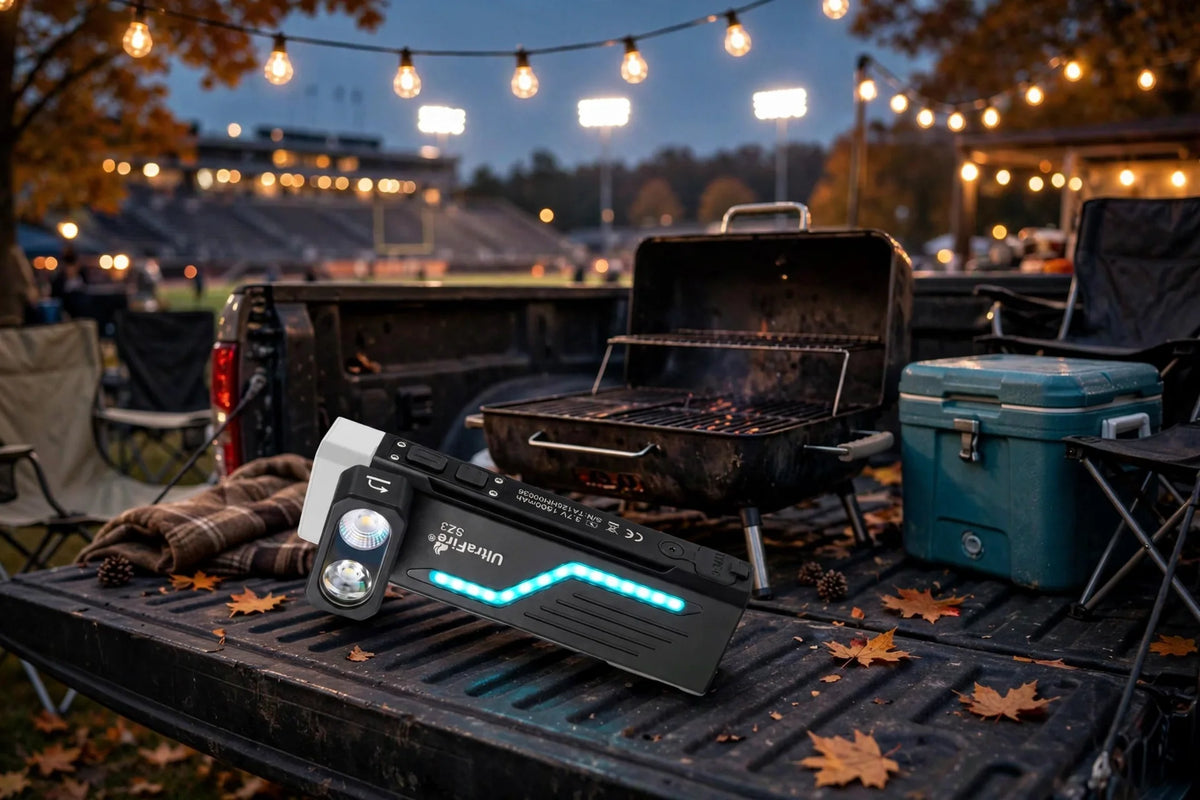
- UltraFire SZ3: 1,300-lumen swivel-head light with USB-C charging (works while charging on low) — a long-runtime, rechargeable light for power outages.
- UltraFire UF-303X: 2-in-1 flashlight + detachable signal wand — a second light for the kit, and a glowing wand if you need to be seen during an evacuation.
What the Survey Actually Measured
Most preparedness coverage asks a simple question: do you own an emergency kit? SafeHome asked a stricter one — is the kit complete when judged against the basic supply lists from the American Red Cross and Ready.gov? That's where the 5% number comes from. Households were far more likely to have some items than others:
- 59% have a three-day supply of pet food
- 58% have flashlights
- 58% have a three-day supply of personal medications
- 51% have first-aid kits
- 37% have adequate stores of drinking water
- 30% have sufficient emergency cash
- 22% have waterproof matches
- 19% have a backup power source
Water tops the Red Cross list at one gallon per person per day, yet it trails flashlights by 21 percentage points. And backup power comes dead last — which matters, because a flashlight is only useful as long as it has charge.
The Real Weak Link: Dead Light, No Way to Recharge
Think about the classic kit flashlight: a plastic two-AA light sitting in a drawer since the last time you thought about it. When the power goes out, you discover the batteries died two years ago and the spares are somewhere in a kitchen drawer. The survey points at exactly this pattern — households own the light, but not the power behind it. The most-cited barrier was cost (52%), so the fix isn't a gas generator. It's making sure your light can be recharged easily and keeps running when the grid doesn't.
- USB-C rechargeable — charge from a car, laptop, or power bank; no special batteries to buy and forget.
- Long useful runtime on lower modes — an outage is a marathon, not a sprint.
- Hands-free options — stick it to the fridge or a breaker box while both hands work.
- Area light, not just a beam — a flood or ambient glow lights a room; a tight beam just makes a dot on the wall.
- Weather resistance — outages often arrive with storms. IPX6 handles rain and splashes.
UltraFire SZ3: The Outage-Proof Workhorse
The SZ3 checks the boxes that actually matter in a multi-hour outage. The 0–100° swivel head tilts onto exactly what you're working on, the magnetic tail sticks it to the breaker panel or the fridge, and it charges over USB-C — even from a laptop while the grid is down. On low mode it keeps going while charging, so it doubles as a tiny nightlight that never sleeps. The 1,300-lumen high end is there for checking the yard or the street, and the side ambient bar gives the room a soft glow without the harshness of a bare beam.

UltraFire SZ3 Swivel Head EDC Flashlight | 1300LM CRI90+
The light your emergency kit has been missing: rechargeable over USB-C, aimable with the swivel head, and hands-free with the magnetic tail.
- 1,300 lumens, high-CRI 90+ for true colors
- 0–100° swivel head with spot + flood dual beams
- Magnetic tail for hands-free mounting on fridge, breaker panel, or car
- Side ambient light bar for room-filling soft light
- 1,500 mAh battery, USB-C charging (works while charging on low)
- IPX6 waterproof, 1-meter drop resistance, 3-year warranty
Why it fits the kit: It's the answer to the survey's two biggest gaps — a light you actually own (joining the 58%) plus rechargeable power you don't have to keep buying batteries for. One cable keeps it alive as long as your car battery or power bank does.
UltraFire UF-303X: The Second Light That Also Signals
Every kit deserves a second light — one for the main room, one for the person checking on the kids or the neighbors. The UF-303X is a dependable USB-C flashlight, but its detachable signal tube is what earns it a spot in the kit: turn it into a glowing wand and you can guide family members to the car or mark your spot if you ever have to leave the house at night.

UltraFire UF-303X Rechargeable Traffic Wand
One light, two jobs: a dependable flashlight for seeing, and a glowing signal wand for being seen — the second light every kit should have.
- 2-in-1 design: flashlight + detachable signal tube
- USB-C rechargeable — no spare batteries to hunt for
- IPX6 waterproof for storm-season outages
Why it fits the kit: It's cheap insurance for the "second person" problem — and in a real evacuation, a glowing wand is how your people find you.
SZ3 vs. UF-303X: How They Split the Job
| Role in the kit | SZ3 | UF-303X |
|---|---|---|
| Primary light | Yes — aimable, hands-free, room-filling | Yes — dependable backup for a second person |
| Recharging | USB-C, works while charging on low | USB-C |
| Hands-free | Magnetic tail + swivel head | — |
| Signaling / visibility | Ambient bar + warning modes | Detachable glowing signal wand |
| Weather resistance | IPX6 | IPX6 |
One light is a start. Two lights with different jobs is a plan.
Your 10-Minute Kit Fix (Based on the Survey Gaps)
The survey's own data says cost is the barrier and knowledge gaps are #2 (over 20% said they didn't know what to buy). Here's a checklist focused on the most-missed items:
- Water: 1 gallon per person per day, 3-day minimum. Only 37% of homes have enough.
- Emergency cash: small bills, in an envelope. Only 30% have it.
- Backup power: a power bank for phones counts. Only 19% have any.
- Lighting: put one USB-C rechargeable light per two people — test it now, charge it now, and write "charge quarterly" on the calendar.
- First aid + meds: 51% and 58% have these — check expiration dates on both.
- A go-bag by the door: copies of IDs, meds, cash, light, water. 20% of homes have none of this at all.
- Never run a generator indoors or in a garage — carbon monoxide can kill in minutes.
- Candles are a fire risk during outages; an LED light is safer for rooms with kids and pets.
- Charge rechargeable lights and power banks before forecast storms, not after they hit.
- Follow local guidance during severe weather — light is a tool, not a substitute for an evacuation order.
Final Thoughts
Five percent isn't a statistic about other people — it's about how easy it is to own most of a kit and still be unprepared. The survey's good news is that the missing pieces are cheap: water, cash, and a way to keep the lights on. Fix those this weekend and you're already ahead of most of the country.